Acoustic windows and glazing: a professional guideUnderstanding acoustic glazing. Specifying better windows.
Practical guides, technical explanations and specification resources for architects, developers, consultants and building professionals.
Published by Hugo Carter · 12 guides and resources
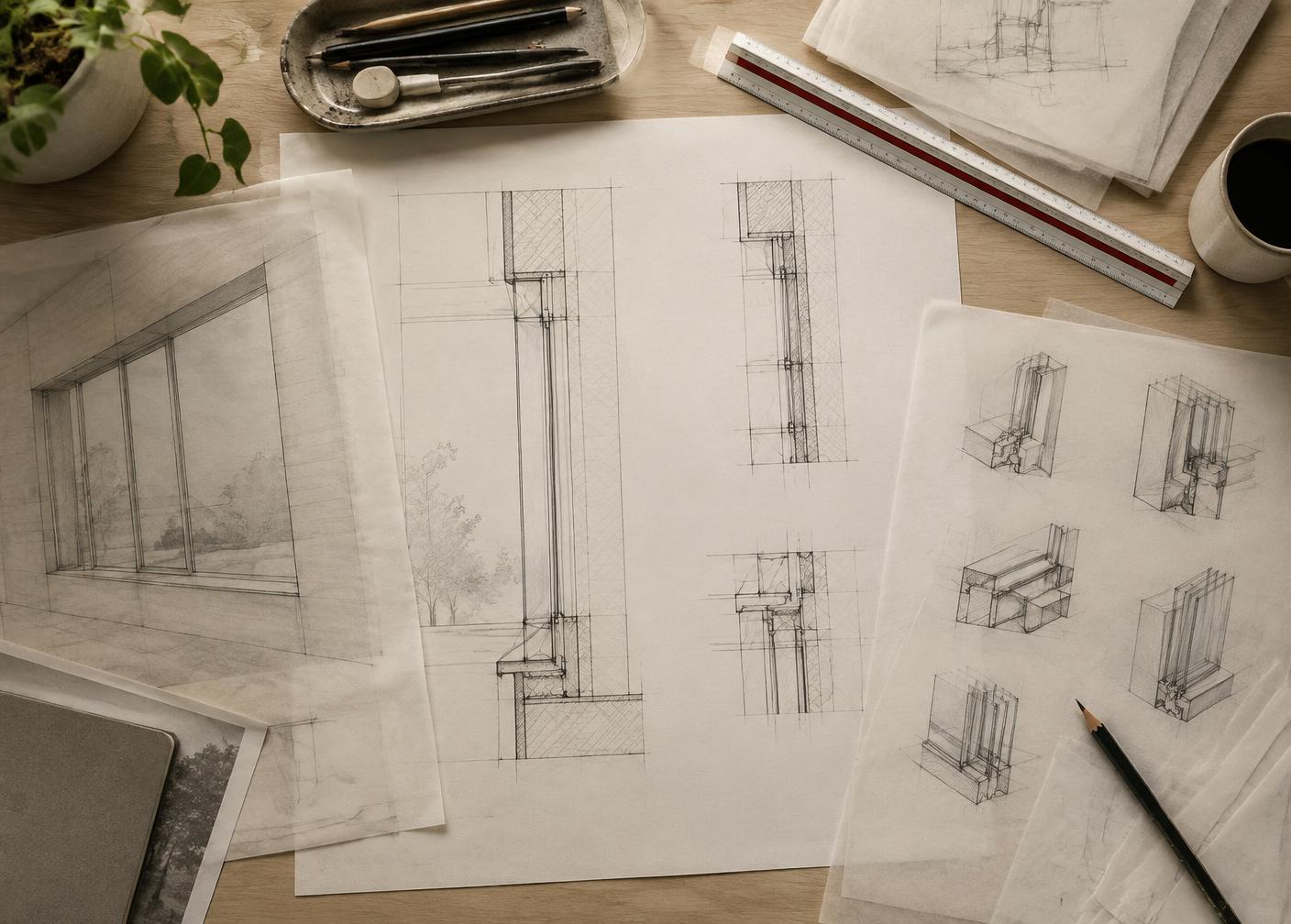
 Illustrative image, not a Hugo Carter project
Featured knowledge
The knowledge library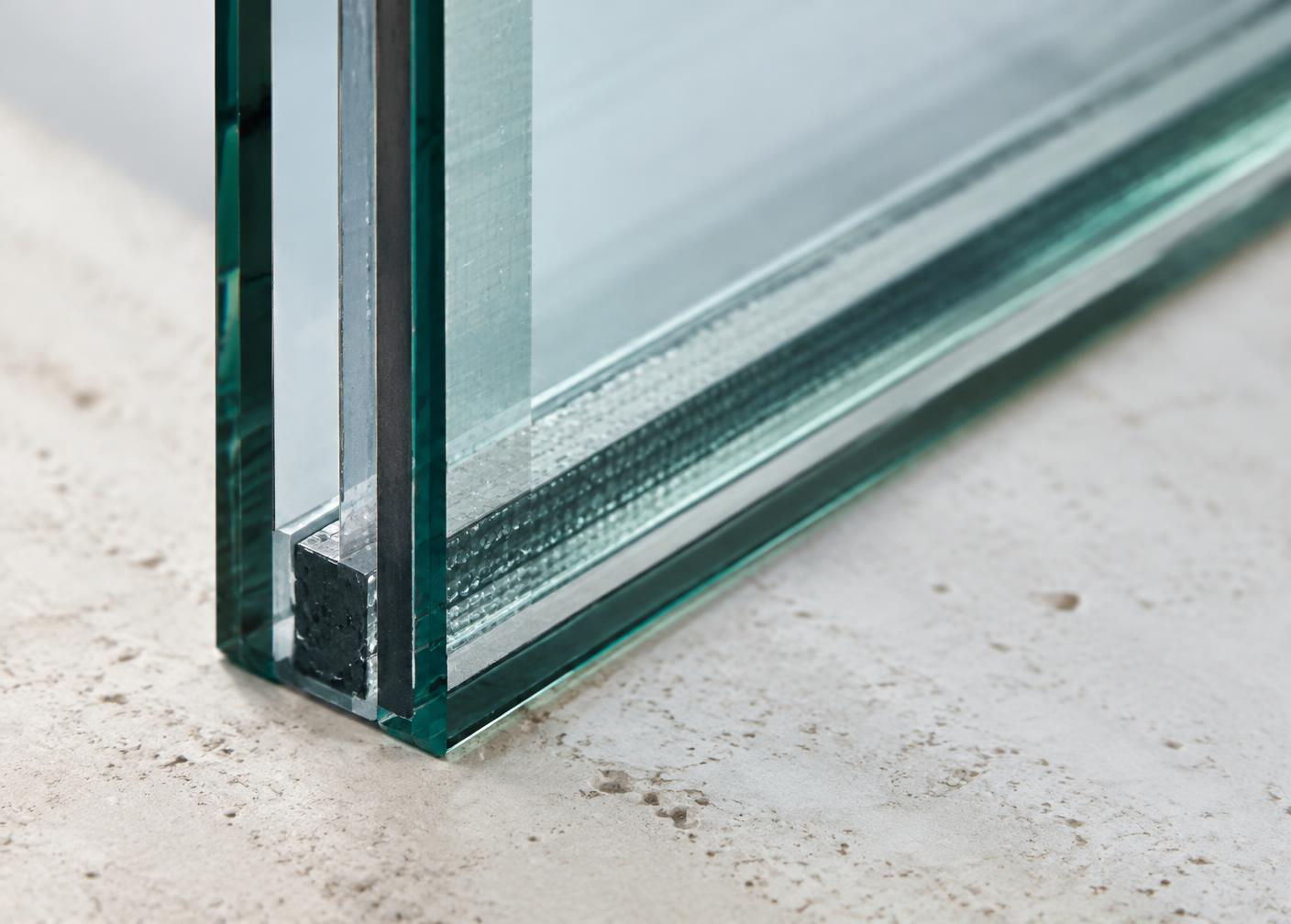
Explore by profession
Guidance shaped around the decision in front of you.


Understanding acoustic performance
Three terms, three different questions.
Product sheets often quote Rw, Rw + C and Rw + Ctr side by side. Before comparing any figures, make sure you are comparing the same quantity.
Weighted sound reduction index
A single-number rating of airborne sound insulation, derived from laboratory measurements across a range of frequencies. It describes the tested specimen, not the finished room.
Spectrum adaptation term (pink noise)
An adjustment added to Rw to reflect a broadband noise spectrum, such as everyday activity or mid-to-high frequency sources. Rw + C is a different quantity from Rw alone.
Spectrum adaptation term (traffic)
An adjustment added to Rw for a spectrum weighted towards low frequencies, typical of urban road traffic. It is usually negative, so Rw + Ctr reads lower than Rw.

Featured resources
Take a working document into your next meeting.
How to specify acoustic windows
Keep the specification connected from brief to handover.
The workflow moves from brief to coordination, supplier proposal, evidence review and handover. Decisions and changes remain recorded. It does not allocate contractual duties.

The guide in brief
Good acoustic window decisions start with two things: a clear brief and evidence you can actually use.
Acoustic Windows helps architects, consultants, developers and refurbishment teams understand acoustic glazing, check performance information and prepare coordinated window specifications. Begin with the decision in front of you, whether that is reading a test report, planning a hotel upgrade or retaining historic windows.
Published by Hugo Carter, a manufacturer of bespoke acoustic window systems.
Find the answer you need
Understand the ratings
What does a quoted Rw value describe? How do C and Ctr change the way you read a result? Our guide to acoustic rating notation explains the questions to ask before comparing figures.
Check the evidence
A glass test, a complete-window test and an installed facade assessment answer different questions. Learn how to read acoustic test reports and identify what a report covers.
Coordinate the design
Noise, ventilation and overheating decisions meet at the window. Use the coordination guide to record the operating conditions the design team needs to agree.
Guidance for your role
Architects and specifiers
Build a brief that connects room requirements, window construction, interfaces and evidence. The architect’s specification guide follows the process from early design to handover.
Hotels and refurbishment teams
Plan guestroom improvements around the source of disturbance, room access and the operation of the hotel. Start with the hotel refurbishment guide.
Heritage specialists
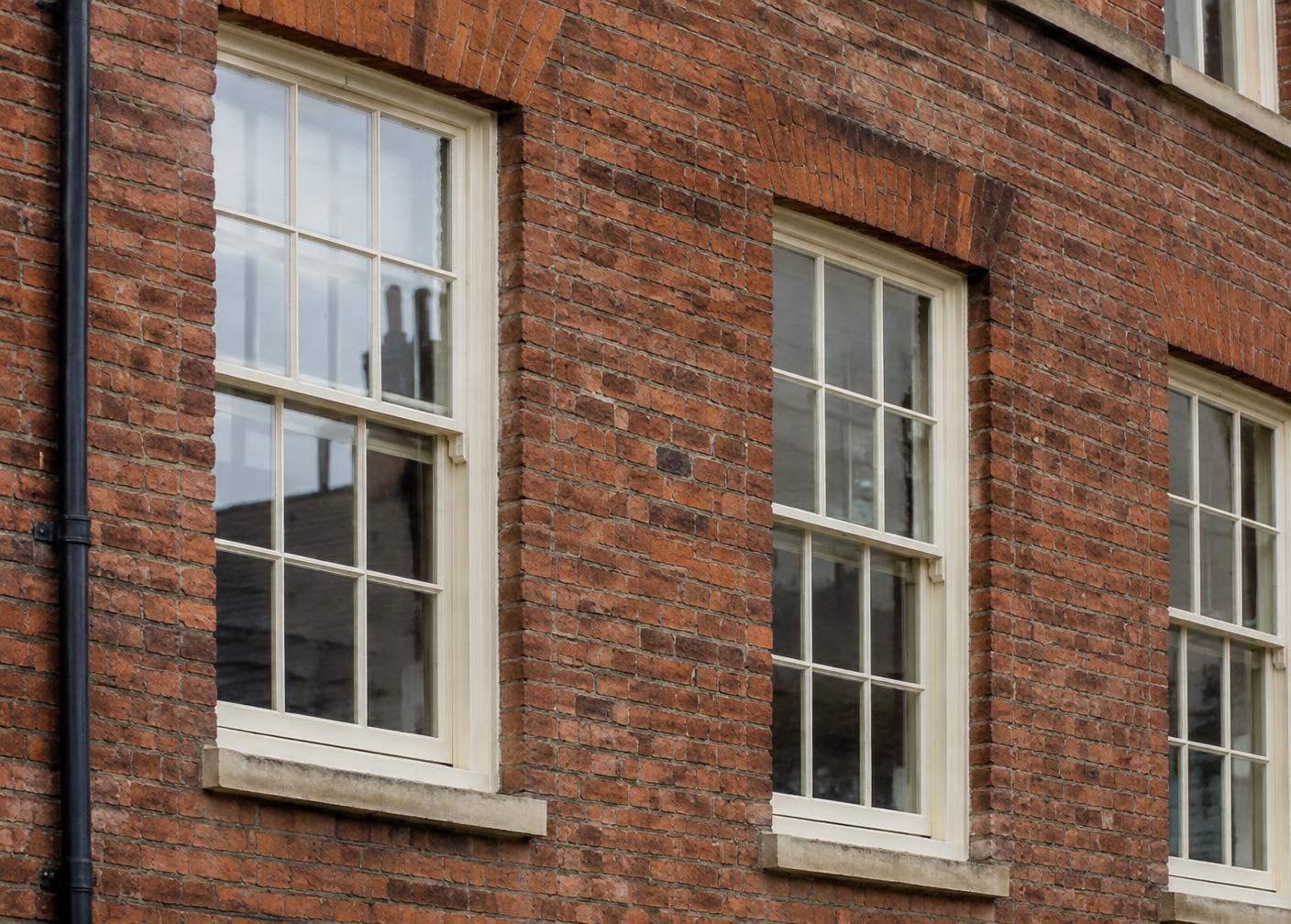
Explore acoustic upgrades alongside significance, repair, reversibility and local permissions. Read the historic window specification guide.
Developers and design managers
Carry acoustic requirements through planning, tendering and substitutions. Follow the planning-to-procurement guide.
Free tools for your next meeting
The specification checklist brings the project inputs, supplier evidence and design interfaces into one working document. Use it alongside our ratings field guide, architect workflow, hotel project brief and heritage decision pack. All five resources are available to read online and download without joining a mailing list.
Browse professional resources.
Honest about what evidence shows
This is guidance for preparing and questioning a specification. It does not set a universal window rating or predict the sound level inside a particular room. The design team should establish project requirements and check whether the proposed assembly and its evidence are suitable.
Our technical articles identify their references and explain where project-specific advice is needed. Read about the publisher and editorial approach.
Talk to us about a project
If you are considering a bespoke acoustic window system, share the project type, location, stage and the information already available. Hugo Carter can review the enquiry and explain the appropriate next step.